Kitchens compensate confidence, yet they punish diversion. A slick of oil on the floor, heavy steam rolling off a stockpot, a blade sharpened within a hair's size can turn a regular change or a home-cooking session into a shuffle. I have actually operated in cooking areas enough time to know that accidents prefer the tired and the rushed. The distinction between a scare and a hospital visit commonly comes down to soothe activity in the very first sixty secs and routines found out via proper first aid training.
If you cook for a living, handle a venue, or simply feed a household most evenings of the week, treat first aid as part of your mise en area. An equipped kit accessible, a short strategy rehearsed with your team, and the muscle mass memory that originates from a first aid course make cooking areas much safer without reducing production. The purpose here is practical: what to do, what to stay clear of, and exactly how to construct abilities that hold up when warm, noise, and seriousness slip in.

Why kitchens reproduce details injuries
A kitchen area presses several risks right into a tight work area. Dry warm from ovens and grills sits close to moist warm from steamers and dishwashers. Liquids relocate at a boil or under stress. Blades remain razor sharp deliberately, and slicers, mandolines, and food mill intensify that edge. Chemicals utilized for sanitation can aggravate eyes and skin. Floorings First Aid Course Cambelltown come to be unforeseeable when water and oil mix.
The pattern of injuries reflects that atmosphere. Burns ranking initially in lots of professional cooking areas, with superficial scalds exceeding much deeper contact burns. Cuts vary from superficial pieces to punctures and avulsions when a knife pointer slides or a can cover breaks. Less usual however severe occasions include choking, allergies, and cardiac events amongst clients or team. These outliers matter too because kitchen areas function as public spaces, and you might be the only person close by who knows CPR.
What reliable first aid resembles in the kitchen
First aid is the bridge in between injury and specialist treatment. It stabilizes, alleviates pain where feasible, and avoids problems like infection or shock. In the kitchen area, effective first aid additionally protects health, maintains cross contamination in check, and obtains the station back right into safe operation. That usually indicates an extra thirty seconds to glove and cover a wound appropriately, or a clear call for a short break first aid course Albany CBD as opposed to pressing through a bloodied bandage.
I press teams to treat first aid as an ability you train, not a handout you review once. A structured first aid and CPR course offers you repeatable actions and the confidence to act in those important very early minutes. Certification matters, not for the paper alone, however since reputable programs stress and anxiety realistic look: wet floorings, noise, restricted area, and the demand to hand over. If your venue offers the general public, a present first aid certificate also satisfies legal and insurance obligations.
Burns and scalds: the kitchen area's most usual injury
Hot surface areas and fluids do the majority of the damages. A steam melt can blister within secs, and sugar syrups or sugar cling to skin, moving warmth longer than water. Oil burns have a tendency to be much deeper because of greater temperatures.
For minor burns, the goal is to cool the cells promptly without creating more injury. I have seen well-meaning coworkers grab ice, butter, tooth paste, or gauze right from a messy bin. Miss all of it. Ice narrows blood vessels and can aggravate tissue damages. Ointments trap warmth. Cotton sheds fibers into the wound.
Move the person far from the warmth, eliminate rings, watches, or tight things prior to swelling sets in, and cool down the melt under trendy running water. Twenty mins is ideal for several shallow burns, but even ten helps. If running water is impossible, utilize awesome, tidy compresses and revitalize them commonly. Maintain the individual warm overall with a towel or jacket to prevent chilling.
Once cooled, cover the melt with a sterile, non‑stick clothing or tidy plastic movie. Do not cover tightly. If sores create, leave them intact. Bursting sores invites infection and pain. Burns on the face, hands, feet, genital areas, or throughout joints are worthy of medical assessment, as do burns bigger than a palm, chemical burns, and electrical burns. Oil fires that singe respiratory tracts or steam bursts to the face are particularly dangerous because swelling can block breathing after a delay.
Kitchen side instances typically include sticky substances. Warm sugar, cheese, or syrups cling. Do not peel them off. Cool the area, let first aid training Salisbury the product set, after that gently raise only what comes away freely. If apparel is stuck to a burn, cool with the material and reduce around it, leaving the adhered portion for a clinician.
Cuts, leaks, and lacerations: managing blood and hygiene
Every chef develops a healthy and balanced respect for a sharp knife. Slices occur, usually at rate. The first step is control. Establish the blade down safely, after that apply straight pressure with a tidy, absorptive pad. If you have actually a color‑coded kitchen first aid kit, the blue metal‑detectable bandages and finger cots help keep bandage fragments out of food. Maintain the injured hand boosted to decrease bleeding.
For little, tidy cuts that quit bleeding with stress, rinse under running water to flush debris, pat completely dry with sterile gauze, and close sides with adhesive strips if required. Apply an antibiotic ointment just if you can cover it entirely and maintain it out of food prep. In a commercial kitchen area, outfit the injury, add a finger cot or handwear cover, and change the clothing at the initial sign of wetness or contamination. If a plaster loosens, quit working and fix it promptly. No exceptions.
Deeper cuts, gaping injuries, or injuries that remain to bleed after ten mins of constant pressure call for specialist care. So do leaks from bones, fish spines, or damaged glass. If an object is ingrained, support it with extra padding and bandage around it instead of eliminating it. Removal can enhance blood loss or aggravate damage.
I as soon as enjoyed a prep chef attempt to work through a palm laceration, swapping towels while dicing onions. He was out for a week with an infection. Speed in the moment cost him time later. Clean, cover, and if in doubt, go for stitches.
Eye exposures: splashes, heavy steam, and caustics
Acidic components, warm oil, bleach, and sanitizer splashes can do genuine injury. Eyes are unforgiving. If something enters the eye, hold the eyelids open and irrigate with tidy, lukewarm water or isotonic eyewash for at least fifteen minutes. Objective the circulation from the internal corner external to stay clear of polluting the other eye. Remove contact lenses if they drift complimentary, but do not mine them.
Chemical direct exposures need prompt irrigation and a testimonial of the item's safety and security information sheet, which commonly sits in a binder near the workplace or meal area. Alkaline cleansers can permeate deeper than acids and need longer flushing. If discomfort, soreness, or blurred vision continues, seek urgent care. Do not counteract chemicals with various other chemicals, and never use ointments to the eye.
Burns from chemicals: oven cleaner, drainpipe opener, sanitizer
Most kitchens keep concentrated items to conserve space and price. That elevates stakes when spills take place. For skin direct exposure, brush powder off before including water, then rinse under running water for a minimum of fifteen mins. Eliminate contaminated clothing and fashion jewelry. For huge area direct exposures or if you really feel intense burning, prickling, or feeling numb, call for medical assistance. Maintain the item label useful for responders.
Fumes can likewise irritate airways. If somebody coughs, hisses, or feels lightheaded after mixing or splashing chemicals, move them to fresh air and loosen tight garments. If taking a breath ends up being challenging, that shifts into an emergency situation pathway, and trained team needs to prepare to call emergency situation solutions and monitor breathing. This is a moment where CPR training intersects with chemical safety and security. If a person passes out and is not breathing normally, you require those CPR actions without delay.
Choking and air passage emergencies in the kitchen and dining room
Kitchens handle sharp tools and warm liquids, yet choking occurs most often in the dining location. That said, staff often get a quick bite while running food or slip a forkful in between orders. Food, specifically steak, bread, and leafy greens, can wedge in the airway.
A person that can cough or talk is not fully blocked. Motivate them to cough, stick with them, and prepare to act. If they can not talk, cough, or take a breath, and they show the universal choking indicator, begin stomach thrusts with permission if they can offer it or if they are plainly choking. With pregnant individuals or those you can not get to around, switch over to breast drives. If they pass out, phone call for assistance and start CPR with upper body compressions, examining the mouth for noticeable obstructions between cycles. Do not execute blind finger sweeps.
Training issues right here. A great first aid and CPR course drills the sequence up until you can do it under stress, instructs adaptations for kids and older adults, and makes clear when to quit treatments. Numerous kitchen areas now schedule a CPR course during pre‑season or slower durations, then run a CPR correspondence course each year or two to keep skills current.
Allergic reactions and anaphylaxis in service settings
Food irritants conceal in sauces, marinades, and fryer oil. Even careful menus can not eliminate risk. Reactions range from scratchy hives to life‑threatening air passage swelling. If a patron or employee shows indicators like swelling of the lips or tongue, hissing, hoarseness, throwing up, or lightheadedness, treat it as a medical emergency.
Ask if they lug an epinephrine auto‑injector. If they do and consent, assist them use it right into the outer upper leg through garments if required. Keep in mind the moment. Call emergency services also if signs enhance, because rebound reactions can take place. Lay the person flat with legs increased unless they are throwing up or having difficulty breathing, in which situation let them sit or rest on their side. Avoid giving food or beverage. If the person has asthma and makes use of an inhaler, that can aid with hissing while epinephrine takes effect, yet it does not replace epinephrine.

Staff training must cover allergen recognition in food handling and first aid for reactions. Some providers incorporate this right into first aid courses, which combination pays off in real life due to the fact that avoidance and response feed each other.
Heat anxiety, slides, and electric mishaps
Not every cooking area emergency hemorrhages. Heat stress creeps up throughout long services, especially in confined lines without excellent air flow. Early indications include headache, dizziness, queasiness, and clammy skin. Move the individual to a cooler area, get rid of excess layers, and deal sips of water if they are alert. Usage awesome, moist fabrics on the neck, armpits, and groin. If confusion, fainting, or hot, completely dry skin develops, suspect heatstroke and require emergency assistance. Cooling down becomes immediate. Followers, cold pack wrapped in fabric, and constant monitoring make a difference while assistance arrives.
Slips send lots of chefs to immediate treatment. If somebody drops difficult and complains of severe discomfort, defect, or lack of ability to bear weight, think a crack or strain. Convenience and paralyze the arm or leg. Ice wrapped in a fabric can lower swelling. Do not compel a joint straight. Head strikes call for observation. If there is loss of awareness, throwing up, complication, or getting worse frustration, bring in clinical evaluation without delay.
Electrical injuries are uncommon however memorable. Water and power do not blend. If an individual is adhered to an online source, switch off the power before touching them. If you can not get to a button securely, make use of a non‑conductive product like a dry wood broom manage to separate them. Once totally free, examine breathing and pulse. Burns from power can look tiny on the surface and large beneath. Any kind of electrical shock with discomfort, complication, or burns is entitled to medical care.
Building kitchen‑specific first aid habits
I have enjoyed gifted groups turn unstable first aid into positive activity by having a tendency to three active ingredients: preparation, repetition, and management. Preparation is uncomplicated yet neglected. A first aid set that in fact contains the ideal equipment, a fire covering near fryers, a billed eyewash container accessible of the meal location, and gloves in numerous sizes that cooks will actually wear. Article emergency numbers where the phone lives, not buried inside a binder.
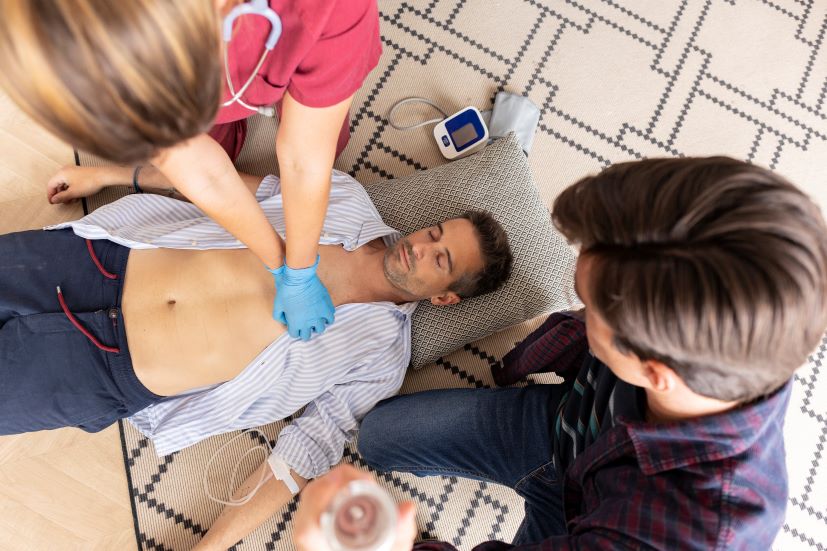
Repetition originates from training. Book a first aid training session on website, throughout daylight, with the crew that will respond first. The most effective companies tailor situations. They set up a simulated cut at the veg terminal with fake blood, or a vapor shed throughout a mock pasta rush. They run a CPR training block that consists of practicing with a manikin on a damp flooring with history sound. They provide a first aid and CPR course that causes an identified first aid certificate, which helps supervisors track compliance and maintains requirements consistent.
Leadership is social. The cook that quits the line for 10 minutes while a hand is cleaned and bandaged sends a message. So does the proprietor that spends for a CPR course and a CPR refresher course as opposed to treating training as a box to tick. In lots of cities you can locate a First Aid Pro style supplier that specializes in work environment programs for hospitality. They bring products, get used to your layout, and leave you with a plan that fits your menu and hours.
Stocking a smart kitchen first aid kit
The market offers generic packages that strain under actual usage. A kitchen‑worthy package favors burn care, wound health, and eye watering. Include non‑stick melt dressings, hydrogel melt pads, and rolls of sterile gauze. Include sticky strips that stand up to moisture and are metal‑detectable for business settings. Maintain finger cots, cohesive plaster that sticks to itself, and a number of pairs of nitrile gloves. Tidy saline or sterile water vessels help with eye and wound irrigation, supplemented by a plumbed eyewash where feasible. Shears for cutting clothes, an electronic thermostat, and a little flashlight complete the basics.
Label shelves and add a basic restock log. Sets fall out of effectiveness when fifty percent used and neglected. Assign an individual to check regular monthly, the same way you check hood filters or walk‑in temps. If your food selection features flambé, fryers, or sugar job, weight the kit toward burn administration. If personnel lift heavy distributions or work in cramped prep areas, think about flexible covers and instantaneous cold packs. Medicines like pain relievers reside in a separate, labeled area according to local regulations and are not a replacement for assessment.
Here is one short, sensible list you can print and tape inside the kit lid:
- Cool running water gain access to significant and unobstructed Non stick burn dressings and hydrogel pads in date Blue water-proof bandages, finger cots, and nitrile gloves stocked Sterile saline skins and eyewash bottle available Emergency contacts and event record develops present
Documentation, hygiene, and coming back on the line
Good first aid does not end when the clothing takes place. In specialist kitchens, log the occurrence with time, mechanism, and treatment offered. If a bandaged injury will be in a food preparation zone, increase up on barrier protection with a clothing plus glove or finger cot. Change tasks if needed to avoid damp work that loosens adhesives. Change any food or surface areas that might have been polluted throughout the occasion, even if waste stings. The price of a little loss beats the risk of serving polluted food.
For burns, expect delayed pain and swelling. Schedule an injury check with a manager at mid‑shift and once again before the next day's solution. That push avoids the usual mistake of leaving a wet or unclean plaster on too lengthy. For cuts gathered strips, maintain the location completely dry for a complete day and stay clear of bending that draws the wound open.
When CPR belongs in a kitchen area conversation
People hardly ever associate CPR with cooking areas till something takes place in the dining room. After that they recognize how long a few mins can really feel. Team who complete a first aid and CPR course discover to assess responsiveness, call for aid, start compressions, and use an AED if available. Compressions ought to be hard and fast, about 100 to 120 per minute, with deepness suitable to the individual's dimension. Modern AEDs direct you with voice motivates. If your location has one, install it in a visible spot and inspect the battery and pads monthly.
There is a factor several insurance companies and councils urge or need CPR courses for venues that serve the public. The chain of survival starts where the person falls down, not when an alarm appears. Keeping a CPR refresher course on the calendar guarantees brand-new hires and long‑timers alike can contribute, not just indicate the front desk and hope.
What a great first aid course adds beyond YouTube
Videos can educate you concepts. They can not view your hand placement throughout compressions, remedy your stress on an injury, or imitate the way adrenaline hazes your memory. Great first aid courses develop recall with easy series and hands‑on method. They hang out on judgment calls: when to return to work, when to escalate, just how to focus on if two things fail simultaneously. They likewise appreciate kitchen area facts. Handwear covers tear, water is not always accessible, and in some cases you have to clear room before you can help.
Look for companies that provide blended knowing with method time, problem an acknowledged first aid certificate, and can include CPR training in the very same session. Inquire about situations appropriate to your setup. A bakery with sugar job and proofers deals with various threats than a sushi bar or a high‑volume fryer line. If your group extends languages, choose a provider comfortable with multilingual delivery or aesthetic training approaches so everyone walks away confident.
Training day, done right
You can run a qualified session in under four hours if you concentrate. I choose mornings before service. Clear a preparation table, outlined training products, and inform the team: we are going to replicate, ask questions, and repair small mistakes prior to they grow. Beginning with burns and cuts because that matches likelihood. Include a brief eye watering demonstration. After that change to choking and CPR with an AED drill. Wrap with a five‑minute trip of your first aid package, eyewash, fire covering, and emergency exits.
Rotate roles. The most effective chef may freeze and the shy dishwashing machine could radiate. Usage actual obstacles: handwear covers, aprons, slippery mats. Play the noise of a pass at full tilt and have someone scream a ticket while one more individual techniques compressions. It seems theatrical, however it shows one thing you can not obtain from a lecture: how to find tranquil in chaos.
Keeping abilities alive in between courses
Skills fade without usage. Construct micro‑refreshers right into the year. Include a two‑minute shed treatment reminder to a pre‑shift talk after somebody gets a sore. Post a choking sequence card near the expo station. When you transform sanitizer brands, invest sixty seconds on the brand-new dilution and first aid for exposure. If you have a close to miss, debrief it without blame. Voids reveal themselves in tales, and you can adjust before the following shift.
Track your group's first aid and CPR training days like you track food safety qualifications. Most carriers recommend renewing each to 3 years, with a CPR refresher course on the shorter end due to the fact that compressions require muscular tissue memory. If turnover is high, schedule quarterly onboarding slots.
The peaceful payoff
When first aid enters into kitchen area culture, morale boosts. Individuals really feel looked after, and that trust fund recedes right into the job. Injuries still take place, however they are managed cleanly and swiftly. Solution recoups. You squander much less time and less active ingredients. Crucial, you send fewer associates home hurting or worried.
The heart of it is basic. Learn the fundamentals with a reputable first aid course. Make those habits daily. Rejuvenate them before they discolor. Whether you are a home chef encountering a pot of simmering stock or a head cook running a twelve‑hour shift, you will satisfy the exact same courses of problem: burns that require air conditioning, cuts that need stress and clean dressings, eyes that need irrigation, respiratory tracts that require clearing up, hearts that might require compressions. With training and a small amount of prep work, you turn those minutes from panic right into practiced care.
Here is a portable routine for emergencies that are entitled to a stepwise response:
- Stop the source, make the scene secure, and send out for assistance if needed Start the right first aid: amazing burns, stress for bleeding, flush eyes, clear airway Protect hygiene with handwear covers, dressings, and food security controls Monitor and record, after that reassess and rise if signs and symptoms worsen Restock the package and review the event with the team to reinforce learning
Kitchens prosper on rep and focus to information. First aid draws from the exact same well. Place it on the prep checklist, invest in first aid training that consists of CPR training, maintain certifications existing, and allow everyone practice. The day you need it, you will be happy for every single min spent constructing those reflexes.